How to Lose Weight Without Counting Calories: 7 Methods That Work
This article is for educational purposes only and is not medical advice. Talk with a qualified healthcare professional before making major nutrition, weight loss, or medication-related changes.
Yes, you can lose weight without counting every calorie you eat. Research from the American Journal of Clinical Nutrition shows that people who focus on eating whole, minimally processed foods naturally reduce their intake by about 500 calories per day without tracking a single number. The key is creating a calorie deficit through smarter food choices, better habits, and tools that do the hard work for you.
If you have ever abandoned a diet because logging every meal felt exhausting, you are not alone. Studies show that 50-70% of people who start manually tracking calories quit within two weeks. The good news: the benefits of calorie awareness do not require a spreadsheet. From simple plate-building strategies to a meal record you can review, there are proven methods that help you eat less without the mental burden of counting.
Key Takeaways
- You do not need to count calories to lose weight - but you do need a calorie deficit, which can be created through food choices and habits instead of numbers
- Eating more protein (25-30g per meal) naturally reduces hunger and can cut daily intake by 300-400 calories without tracking
- The plate method (half vegetables, quarter protein, quarter starch) creates automatic portion control
- AI photo tracking gives you calorie awareness without manual logging - snap a photo and get instant breakdowns
- Cooking at home 5+ times per week is associated with eating 200 fewer calories per day compared to frequent restaurant dining
What Does Counting Calories Actually Mean?
Counting calories is the practice of tracking the energy content of every food and drink you consume throughout the day, typically by weighing portions, looking up values in a database, and logging them in an app or journal. The goal is to hit a specific daily calorie target that puts you in a deficit (eating less than your body burns), which is the fundamental requirement for fat loss.
The problem is not with the concept. Calorie awareness genuinely works. A 2012 study in the Journal of the Academy of Nutrition and Dietetics found that consistent food loggers lost twice as much weight as non-loggers. The problem is with the process: manual counting is tedious, time-consuming, and unsustainable for most people. That is why finding alternatives that preserve the awareness without the grind is so valuable.
Do You Need to Count Calories to Lose Weight?
No, you do not need to count calories to lose weight. What you do need is a calorie deficit, and there are many ways to create one without ever opening a food database. The distinction matters: counting is a tool for achieving a deficit, but it is not the only tool.
Think of it this way. If you switch from a daily Frappuccino (400 calories) to black coffee (5 calories), you have just created a 395-calorie deficit without counting anything. Multiply these kinds of swaps across your day, and the math takes care of itself. The methods below work on this same principle: they help you eat less without requiring you to know the exact calorie count of every bite.
What Are the Best Ways to Lose Weight Without Counting Calories?
These seven strategies are backed by research and ranked by how effectively they create an automatic calorie deficit.
1. Prioritize Protein at Every Meal
Protein is the single most effective nutrient for natural appetite control. It increases satiety hormones (like peptide YY and GLP-1), slows digestion, and has a higher thermic effect, meaning your body burns more calories just digesting it. Research shows that increasing protein intake to 25-30% of total calories can reduce overall intake by 300-400 calories per day without any conscious restriction.
In practice, this means including a palm-sized portion of protein at every meal: eggs or Greek yogurt at breakfast, chicken or fish at lunch, and lean meat or legumes at dinner. If you are not sure whether you are hitting enough protein, check out our guide on how much protein you need per day.
2. Use the Plate Method
The plate method is the simplest form of portion control that does not require measuring anything. Fill half your plate with non-starchy vegetables (salad, broccoli, green beans), one quarter with lean protein, and one quarter with a starchy carb or whole grain. This naturally limits calorie-dense foods while maximizing volume from low-calorie vegetables.
A study from the Diabetes Educator journal found that people using the plate method lost an average of 1.5% more body weight than those given traditional calorie-counting advice. The visual simplicity makes it sustainable long-term, and it works at home and at restaurants.
3. Eat More Fiber-Rich Foods
Fiber slows digestion, stabilizes blood sugar, and physically expands in your stomach to create a feeling of fullness. Research from the Annals of Internal Medicine shows that simply aiming for 30g of fiber per day can produce nearly as much weight loss as a complex diet plan. High-fiber foods (vegetables, beans, berries, oats, whole grains) are also naturally lower in calories per gram than processed alternatives.
4. Consider a Food Log You Can Review
If you want a record without entering each ingredient separately, describe a meal in Kalo and review its estimated calories and macros. Include amounts, oils, sauces, and drinks, then correct anything that does not match before saving. This is still calorie tracking; it changes how you enter the meal.
A log can provide context for the habits in this article. It does not measure your intake exactly or establish that a calorie target is appropriate for you. You can also use a written meal record if you prefer to focus on food choices without numerical totals.
5. Cut Liquid Calories
Liquid calories are the single biggest source of "invisible" intake for most people. Sodas, juices, sweetened coffee drinks, smoothies, and alcohol can easily add 300-800 calories per day, and research consistently shows that your brain does not register liquid calories the same way it registers solid food. Drinking 400 calories does not make you less hungry at your next meal.
Switching to water, black coffee, unsweetened tea, and sparkling water is one of the highest-impact changes you can make. If you currently drink two sodas a day, eliminating them creates a 280-calorie daily deficit on its own, enough for roughly half a pound of fat loss per week.
6. Cook at Home More Often
Restaurant and takeout meals contain significantly more calories than home-cooked versions of the same food. A study published in Public Health Nutrition found that people who cook at home at least 5 times per week consume about 200 fewer calories per day than those who cook less frequently. Restaurant kitchens use more oil, butter, and larger portions than you would at home.
You do not need to become a gourmet chef. Simple meals with a protein, a vegetable, and a starch take 15-20 minutes and give you full control over portion sizes and ingredients. Even cooking 2-3 more meals per week at home can make a meaningful difference.
7. Practice Mindful Eating
Eating while distracted (watching TV, scrolling your phone, working at your desk) disconnects you from your body's fullness signals. Research shows that distracted eating increases immediate food intake by 10-25% and can lead to eating more at later meals as well. Simply eating at a table without screens and chewing each bite thoroughly can reduce total daily intake by 200-300 calories.
Try this for one week: put your fork down between bites, chew each mouthful 15-20 times, and pause halfway through your meal to check whether you are still genuinely hungry. Most people find they are satisfied with less food when they actually pay attention to eating.
Does Portion Control Work Without Counting Calories?
Absolutely. Portion control is one of the most effective alternatives to calorie counting because it addresses the same underlying problem (eating too much) through visual cues instead of math. Here are practical portion guides using your hand:
- Protein - one palm-sized portion per meal (about 4 oz or 25-30g protein)
- Carbs/Grains - one cupped handful per meal (about 1/2 to 3/4 cup cooked)
- Fats - one thumb-sized portion per meal (about 1 tablespoon of oil, butter, or nut butter)
- Vegetables - two fist-sized portions per meal (as much as you want, really)
This hand-based system works because your hands are proportional to your body size. A larger person has larger hands and needs more food; a smaller person has smaller hands and needs less. No measuring cups or food scales required.
Which Method Works Best for Long-Term Weight Loss?
The best method is the one you can actually stick with. Research on the psychology of food logging consistently shows that consistency beats perfection. Someone who uses the plate method at 80% of their meals for a year will lose more weight than someone who meticulously counts calories for three weeks and then burns out.
Manual Calorie Counting
- + Most precise method
- + Builds detailed food knowledge
- + Full control over targets
- 50-70% quit within 2 weeks
Habit-Based + Photo Tracking
- + Sustainable long-term
- + Low mental burden
- + Still builds food awareness
- 3x higher adherence rate over 6 months
For most people, the sweet spot is combining 2-3 of the habit-based methods above (like prioritizing protein, using the plate method, and cutting liquid calories) with a food log you can review. This gives you both the structure of good habits and the feedback loop of seeing your actual intake, without the burnout of manual counting.
Frequently Asked Questions
Can you lose weight without being in a calorie deficit?
No. A calorie deficit is required for fat loss regardless of the method you use. The good news is that you do not need to count calories to be in a deficit. Strategies like eating more protein, using the plate method, and cutting liquid calories create a natural deficit through better food choices rather than tracking numbers.
Is it better to count calories or just eat healthy?
It depends on your personality and goals. Counting calories is more precise but harder to sustain. Eating whole, minimally processed foods naturally reduces calorie intake without counting. For most people, a hybrid approach works best: focus on food quality while using a food log you can review to stay aware of your intake.
How accurate is AI photo calorie tracking?
Modern AI photo tracking is accurate within 10-15% for most meals, which is comparable to manual logging (where most people also make 10-20% errors). The advantage is speed and consistency. People who use photo tracking log more meals overall because the process takes seconds, and consistent imperfect tracking beats sporadic perfect tracking for weight loss.
What is the easiest way to create a calorie deficit?
The easiest starting point is eliminating liquid calories (sodas, juices, fancy coffee drinks) and adding a palm-sized portion of protein to every meal. These two changes alone can reduce daily intake by 400-600 calories for many people, without requiring any tracking or major lifestyle overhaul.
Sources
- Ultra-Processed Diets Cause Excess Calorie Intake and Weight Gain - NIH/Cell Metabolism (2019)
- Dietary Self-Monitoring and Long-Term Success - Journal of the Academy of Nutrition and Dietetics (2012)
- Cooking Frequency and Diet Quality - Public Health Nutrition (2014)
- Plate Method for Diabetes and Weight Management - Diabetes Educator (2021)
- Stop Counting Calories - Harvard Health Publishing (2024)
Keep a Food Record You Can Review
In Kalo, describe what you ate, including amounts, cooking oils, sauces, and drinks. Review the estimated calories and macros, correct the ingredients or portions, and save the meal to your food log.
Your log can help you compare meals with your daily targets and explore meal ideas based on what remains. These numbers are estimates, not a measurement of your intake or a promise of weight loss.
Kalo is free to download, with optional in-app purchases. Describe your next meal and review the estimate before saving it. Current purchase terms are shown before you confirm.
Related Articles
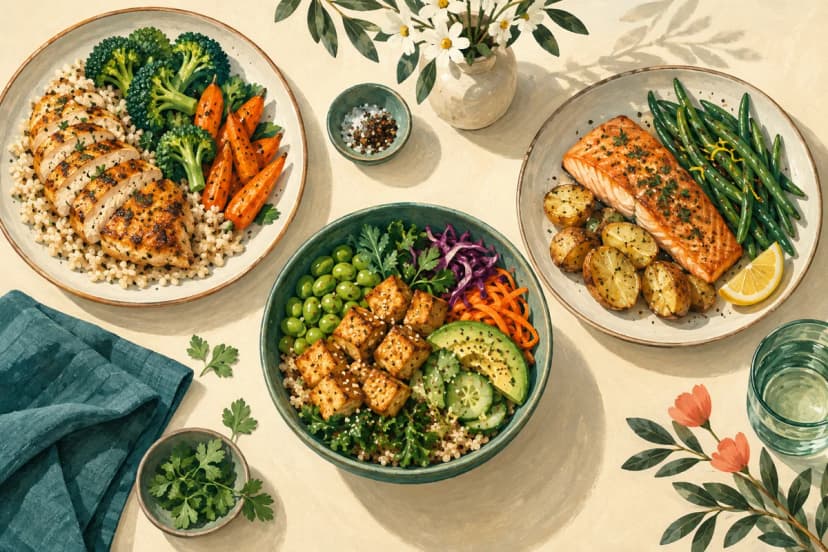
What to Eat for Dinner Based on Your Remaining Calories and Protein
Compare three dinner combinations, check cooked portions, and use your remaining calories and protein as planning estima...

How Many Calories Does Walking 3,000 Steps Burn?
3,000 steps burn about 85-230 total calories depending on weight and cadence. See estimates, active calories, distance,...

How Many Calories Does a 15-Minute Walk Burn?
A 15-minute walk burns about 40-140 total calories depending on your weight and pace. See estimates by weight, speed, st...
Ready to Start Your Health Journey?
Download Kalo to review meal estimates as you track.